Skip links

Toxic Baby Food and Tylenol Claims

If your child has been diagnosed with a disorder on the autism spectrum and was exposed to toxic baby food or Tylenol (acetaminophen) in utero, you may be entitled to compensation. At our law firm, we focus on holding companies accountable for endangering children’s health through dangerous products and a lack of proper warnings.

Contact us today to learn how we can help your family seek justice and financial recovery.

Free Case Evaluation

By submitting this form and signing up for texts, you consent to receive informational text messages regarding case details, and ask for the documents, including status updates and reminders for important dates or notifications, from Mass Torts & Environmental Law Firm, LLC at the number provided, including messages sent by an autodialer. Consent is not a condition of purchase. Message & data rates may apply. Message frequency varies. Unsubscribe at any time by replying STOP. Reply HELP for help. Privacy Policy and Terms & Conditions.

Heavy Metals in Baby Food Pose Serious Health Risks

Recent investigations have found that a disturbing number of popular baby food brands contain dangerous levels of heavy metals, including:

  • Arsenic
  • Lead
  • Cadmium
  • Mercury

These heavy metals are neurotoxins, and when babies are exposed to them over time, they may experience cognitive delays, behavioral issues, and even developmental disorders such as autism spectrum disorders (ASD).

Some of the affected baby food brands include:

  • Beech-Nut Nutrition Company
  • Earth’s Best Organic (Hain Celestial Group)
  • Gerber
  • Plum Organics

If you purchased and fed your child baby food made by these companies—and your child was later diagnosed with a qualifying condition—our legal team may be able to help.

How Do Heavy Metals Get Into Baby Food?

Heavy metals naturally exist in soil and water, but they are also present in synthetic pesticides and fertilizers. Unfortunately, many baby food companies have failed to implement strategies such as bioremediation or organic farming practices to eliminate these contaminants from their supply chains.

A 2021 report from the consumer advocacy group Healthy Babies Bright Futures tested 168 baby food containers. Shockingly, only 9 were free of neurotoxins, and over 90% contained measurable levels of arsenic, lead, cadmium, or mercury.

Despite growing awareness, the FDA has only limited regulation over heavy metals in baby food—allowing companies to continue selling potentially dangerous products.

Tylenol (Acetaminophen) Use During Pregnancy

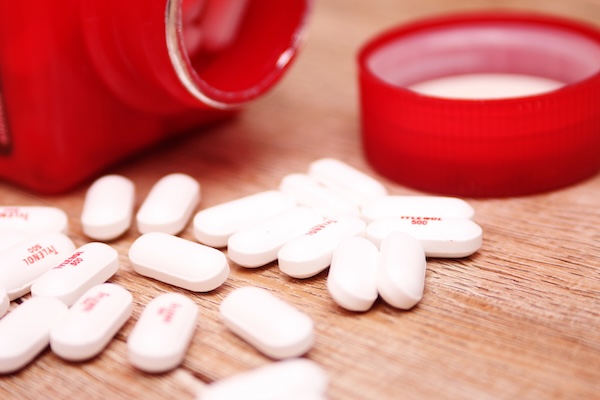
In addition to contaminated baby food, research is also raising concerns about the use of Tylenol (acetaminophen) during pregnancy. Prolonged prenatal exposure to acetaminophen may increase the risk of neurological disorders in children, especially when combined with other environmental risk factors like heavy metal exposure from food.

If you used Tylenol while pregnant and later fed your baby food linked to neurotoxins, and your child was diagnosed with autism spectrum disorder, you may qualify to file a dual claim.

What Disorders Qualify for a Claim?

To be eligible for compensation, your child must have been diagnosed with one of the following autism spectrum disorders before the age of six:

  • Asperger’s Syndrome
  • Childhood Disintegrative Disorder
  • Kanner’s Syndrome
  • Pervasive Developmental Disorder (PDD)

You may also be eligible if you used Tylenol during pregnancy and your child later received one of these diagnoses, even if baby food was not a factor.
Understanding the Exposure Timeline

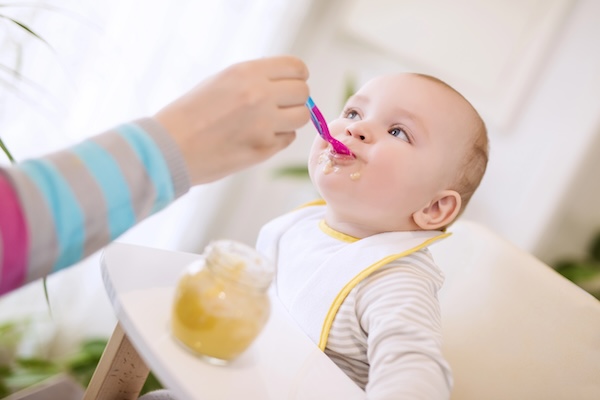
Many parents turn to store-bought baby food soon after ending breastfeeding. These products—especially purees, rice cereals, and puff snacks—are often consumed for months or years during early brain development, when exposure to neurotoxins is most damaging.

Likewise, Tylenol is frequently used during pregnancy for headaches, pain, or fever—often without understanding the potential long-term risks to the unborn child.

If your child was exposed to either or both of these substances and later diagnosed with ASD, you may have legal options.

FDA & Legislative Action

The FDA has set a few limits for certain heavy metals—such as arsenic in rice cereal—but many baby food products remain unregulated. Advocacy efforts, including the Baby Food Safety Act of 2021, propose stricter limits on:

  • Arsenic: 10–15 ppb
  • Lead: 5–10 ppb
  • Cadmium: 5–10 ppb
  • Mercury: 2 ppb

However, this bill has yet to pass, leaving parents with little federal protection. Our legal team is here to fight on behalf of families affected by corporate negligence.

How We Can Help

With over 25 years of experience handling toxic exposure and product liability cases, our law firm is uniquely qualified to represent families impacted by harmful baby food and prenatal Tylenol use. When you contact us:

  • We will evaluate your eligibility
  • Guide you through gathering documentation
  • Handle the legal work so you can focus on your family
  • Fight for the maximum compensation available

Whether you are dealing with medical bills, therapy costs, lost wages, or emotional distress, we are committed to pursuing justice for your child’s preventable condition.

Contact Us Today

If you believe your child’s autism diagnosis is connected to toxic baby food or Tylenol exposure during pregnancy, don’t wait. Call us now to speak with a knowledgeable attorney about your case.

We offer free consultations and there is no fee unless we recover compensation for your family.