Skip links

AFFF Firefighting Foam Exposure

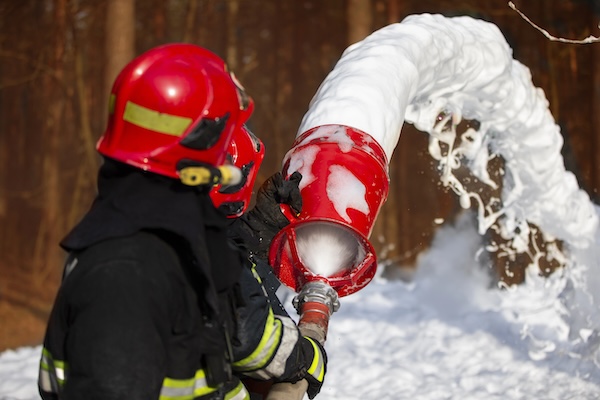
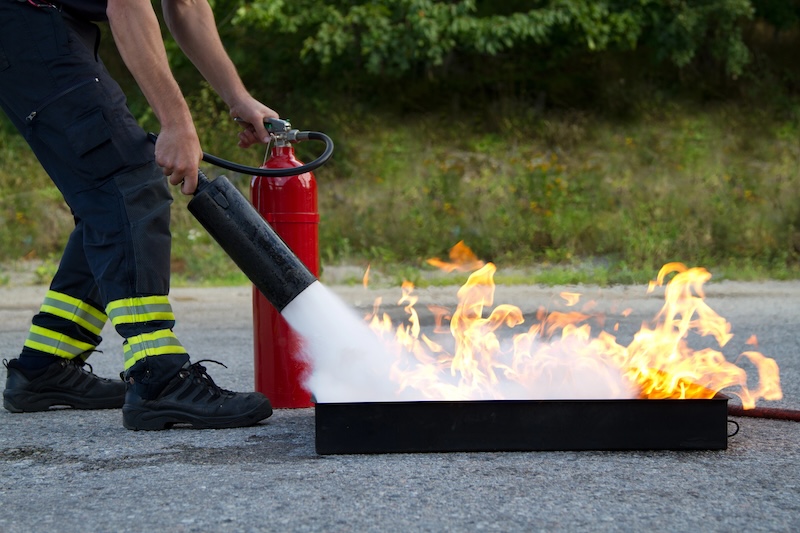
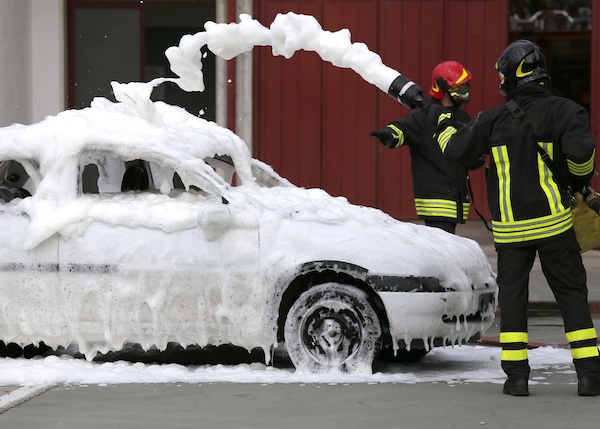
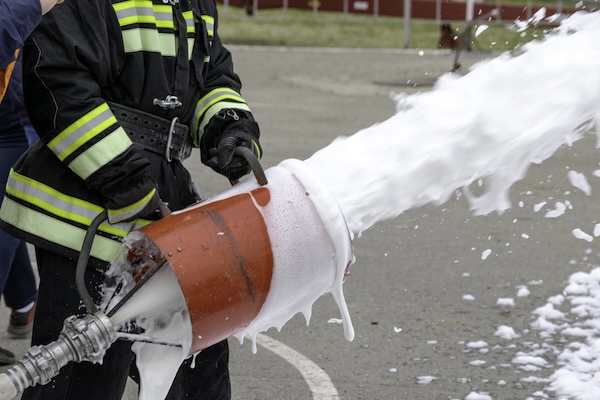
Aqueous film-forming foam (AFFF) has long been used to suppress dangerous flammable liquid fires, especially in high-risk environments like military bases, airports, and firefighting training grounds. While effective at saving lives in emergencies, AFFF has now been linked to serious and long-term health risks due to the presence of toxic chemicals known as PFAS (per- and polyfluoroalkyl substances).

If you or a loved one were exposed to AFFF and later developed cancer or another qualifying illness, Mass Torts & Environmental Law Firm, LLC, LLC is here to help. Call (803) 247-3388 for a free case review.

Free Case Evaluation

By submitting this form and signing up for texts, you consent to receive informational text messages regarding case details, and ask for the documents, including status updates and reminders for important dates or notifications, fromMass Torts & Environmental Law Firm, LLC at the number provided, including messages sent by an autodialer. Consent is not a condition of purchase. Message & data rates may apply. Message frequency varies. Unsubscribe at any time by replying STOP. Reply HELP for help. Privacy Policy and Terms & Conditions.

What Is AFFF?

AFFF is a firefighting foam developed in the 1960s and widely adopted by the U.S. military and civilian fire departments to suppress fuel-based fires (Class B fires). The foam works by creating a barrier that cuts off oxygen and smothers the fire. However, the key ingredients that make AFFF so effective—PFOS and PFOA, two types of PFAS—are also what make it hazardous to human health and the environment.

These “forever chemicals” are resistant to heat, water, and oil, and they do not break down easily. Once introduced into the environment or the human body, they can persist for decades.

Health Risks Linked to AFFF Exposure

Scientific and medical studies now confirm that repeated exposure to PFAS in AFFF can increase the risk of serious diseases. These chemicals accumulate in the blood, liver, and kidneys, disrupting hormonal function and cellular health.

Diseases linked to AFFF exposure include:

  • Kidney cancer
  • Liver cancer
  • Testicular cancer
  • Thyroid cancer
  • Ulcerative colitis
  • Thyroid disease
  • Pancreatic cancer
  • Bladder cancer
  • Prostate cancer

Many of these cancers have been confirmed through international studies, particularly among firefighters and military personnel. The International Agency for Research on Cancer (IARC) has classified PFOA as a possible human carcinogen based on bladder cancer findings.

Who Is at Risk?

AFFF was used for decades without proper warnings about its dangers. Thousands of individuals across the country may have been unknowingly exposed to toxic PFAS chemicals through routine training, occupational tasks, or environmental contamination.

The groups most commonly affected include:

  • Firefighters (municipal, volunteer, airport, and military)
  • Military service members and veterans
  • Personnel stationed at U.S. military bases
  • Civilian workers in hangars and industrial sites
  • Residents living near contaminated military facilities

Even those with limited or intermittent exposure—such as during training or emergency responses—may be at risk of developing serious health conditions later in life.

Legal Action Against AFFF Manufacturers

Lawsuits are currently pending against major AFFF manufacturers, including 3M, DuPont, Tyco Fire Products, Chemguard, National Foam, and others. These companies are accused of knowingly producing, marketing, and distributing AFFF products without adequately disclosing the long-term health risks associated with PFAS exposure.

At Mass Torts & Environmental Law Firm, LLC, LLC, we believe that manufacturers who fail to warn users about dangerous chemicals in their products should be held accountable. If you were diagnosed with a PFAS-related illness after working with or living near AFFF-contaminated areas, you may be entitled to compensation for:

  • Medical bills
  • Lost wages
  • Pain and suffering
  • Long-term care expenses
  • Wrongful death (on behalf of deceased loved ones)

Firefighter PFAS Injury Compensation Act

In 2024, the Firefighter PFAS Injury Compensation Act was introduced to support firefighters suffering from PFAS-related health conditions. Under this law, firefighters with two or more years of service who develop qualifying illnesses may receive financial compensation from the Secretary of Health and Human Services.

This is a major step toward recognizing occupational exposure and ensuring those who risked their lives protecting others are not left to carry the burden alone.

Environmental and Community Impact

AFFF contamination doesn’t just affect those who used it directly. PFAS from firefighting foam have leached into soil and groundwater across the U.S., particularly around military installations and training facilities. As a result, entire communities may be at risk.

These sites are now under investigation, and the EPA has labeled PFAS as “emerging contaminants” due to their widespread environmental and public health impact.

Call Mass Torts & Environmental Law Firm, LLC, LLC Today

If you or someone you love has been diagnosed with cancer after AFFF exposure, don’t wait. Mass Torts & Environmental Law Firm, LLC, LLC is based in Columbia, SC and serves individuals and families across South Carolina affected by toxic exposure.

Our team offers:

  • Free, no-obligation case evaluations
  • No fees unless we win compensation for you
  • Experienced toxic exposure and product liability representation
  • Personalized legal support and guidance

Call us today at (803) 247-3388 to discuss your AFFF lawsuit eligibility and begin your path toward justice.